Consumer attention is increasingly limited. In an environment saturated with advertising impacts, having a good product or an attractive offer is not enough. Commercial success in retail largely depends on the moment a message is delivered. That is exactly what trigger marketing addresses: reaching the user at the precise moment when they are most receptive.
This technique allows you to automate communications based on behaviors, patterns or specific events, offering the customer a more personalized, contextual and useful experience. It is not just about automating campaigns. It is about automating intelligence.
What is trigger marketing and why does it add value
Trigger marketing is a strategy based on the use of triggers, which automatically activate a marketing action in response to a specific customer behavior or condition.
It relies on three pillars:
-
Data collection and analysis: browsing, transactions, segmentation, interests, interaction history.
-
Action automation: once the trigger is detected, the message is sent without manual intervention.
-
Context and timing: the content is not generic but aligned with the customer’s specific moment.
This model aims to maximize conversion, increase loyalty and reduce cost per acquisition, while improving the user experience thanks to its high level of relevance.
How trigger marketing fits into the purchase funnel
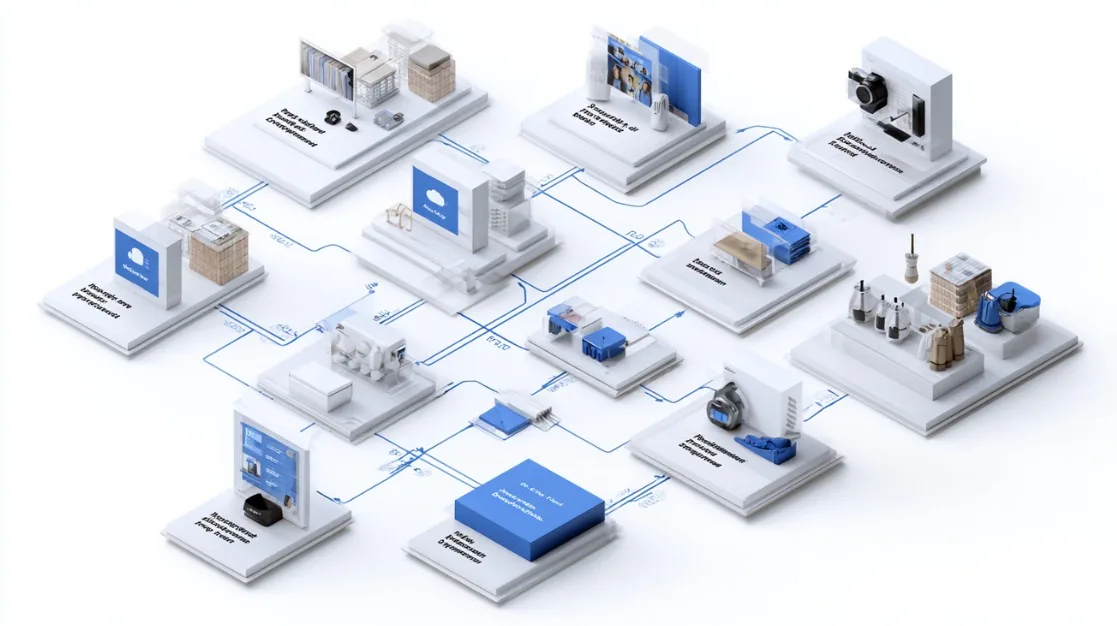
Trigger marketing can be applied throughout the entire customer journey:
-
Attraction: when a user visits the website for the first time, a welcome content or a discount can be triggered to capture the lead.
-
Consideration: if they visit the same product or category several times, a comparative content, recommendations or reviews can be sent.
-
Conversion: in case of cart abandonment, an automated reminder with incentives can be launched.
-
Retention: when inactivity or no new purchases are detected for some time, personalized reactivation campaigns can be triggered.
-
Loyalty: key dates like birthdays or anniversaries can be used to strengthen the bond with the customer through exclusive benefits.
This structure makes trigger marketing a powerful tool to accompany the user throughout their lifecycle, increasing the probability of conversion at each stage.
Main types of triggers in retail
The key to an effective trigger marketing strategy lies in carefully selecting the events or behaviors that activate each message. These are the most common and effective in the retail sector:
Browsing behavior
Repeated visits to a product, time spent in a category, interactions with filters or specific searches are indicators of customer interest. These triggers allow you to offer personalized reinforcement content or push conversion with specific arguments.
Cart or checkout abandonment
One of the most used and profitable triggers. It reminds the user of the products left behind and gives reasons to return to purchase. It can be structured in a staggered sequence (1h, 24h, 48h) adjusting the message to the moment.
Inactivity or loss of contact
If a customer stops buying, interacting or opening emails for a certain time, a trigger can be activated to regain interest. These messages usually include updates, exclusive benefits or rewards for returning.
Relevant dates
Birthdays, first purchase anniversaries, seasonal changes or commercial calendar milestones are ideal moments to activate emotionally or promotionally driven triggers that connect with the customer’s personal side.
Post-purchase
They help strengthen the relationship with the customer and increase the average ticket. They are used to activate upselling, cross-selling, review requests or satisfaction surveys. They are also useful to send replenishment reminders for recurring purchases.
Cross-channel behaviors
The user may see a product on the website and then visit a physical store. Or they may interact on social media without completing a purchase. An omnichannel system allows triggers to be activated even when behavior is non-linear.
Keys to an effective trigger marketing strategy
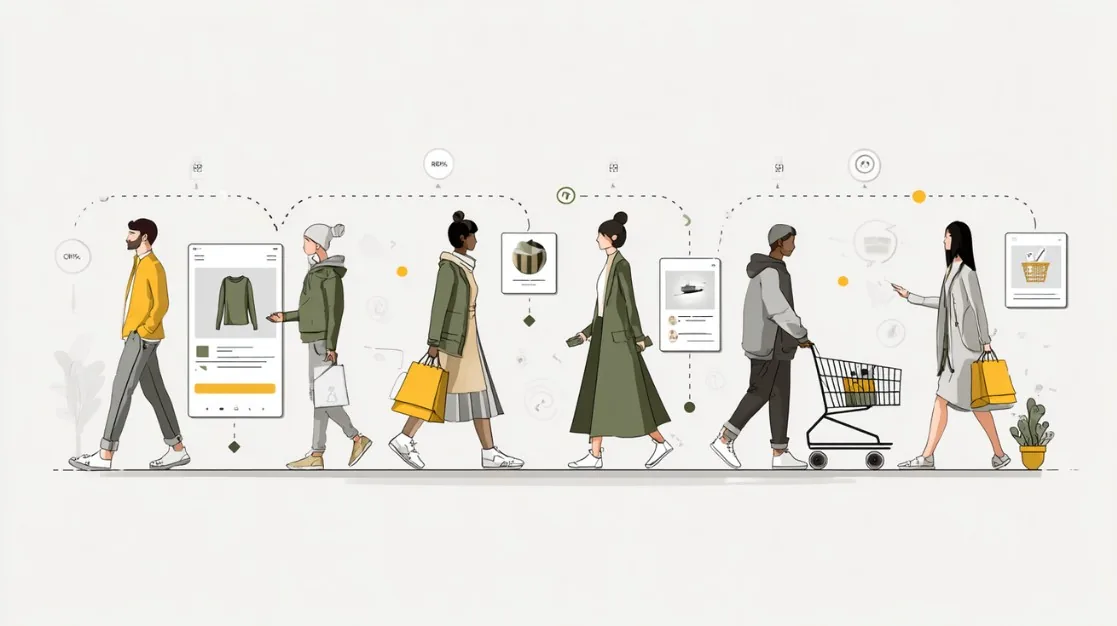
Designing and implementing a trigger marketing strategy in retail requires planning and alignment with business objectives. These are the key elements:
Mapping the journey and defining triggers
Before automating anything, it is necessary to analyze customer behavior at different touchpoints and define when it is most relevant to launch an automated message. Not all triggers are profitable or relevant.
Segmentation and personalization
Triggers must adapt to the journey stage, customer value and their history. A recurring user who does not convert needs a different approach than a new visitor. Advanced segmentation improves the effectiveness of each impact.
Automation based on rules and data
Marketing automation platforms allow you to build dynamic flows that act according to logical conditions. The more granular the rule structure, the more precise the results. It is important to set cadences to avoid oversaturation.
Action-oriented creativity
Messages must be direct, useful and contain a clear CTA. The goal is not just to inform but to push the user to make a decision. The creatives must be aligned with the moment, avoiding repetition.
Continuous analysis and optimization
A trigger marketing strategy is not a set-and-forget system. It is necessary to monitor key KPIs (opens, clicks, conversions, revenue per trigger, unsubscribe rate, etc.) and make frequent adjustments to improve performance.
Direct benefits of trigger marketing in the retail environment
When implemented correctly, this technique can generate measurable impacts on both operational efficiency and commercial profitability:
-
Increased conversion in critical funnel stages (especially cart recovery).
-
Higher engagement thanks to more relevant and less intrusive communications.
-
Increased customer lifetime value (CLV) through repeat sales and contextual recommendations.
-
Lower customer acquisition costs thanks to better conversion of organic and paid traffic.
-
Improved brand image by being perceived as close, useful and personalized.
What do you need to get started?

You do not need a complex infrastructure. To launch your first trigger marketing flows, you need:
-
An automation platform that allows you to set up dynamic flows.
-
A measurement system that integrates ecommerce, CRM, browsing and behavioural data like Wapping.
-
Content and copy prepared for each stage of the journey.
-
A clear strategy on goals, priority segments and critical triggers.
If you have never worked with triggers, start with one or two clear and measurable use cases (for example, cart abandonment or inactive customers). Document the logic, launch a controlled test and measure the impact.
From there, you can scale and automate other points of the customer journey, creating a more agile, intelligent and profitable marketing ecosystem.