In today’s digital economy, characterized by constant advertising saturation and intense competition, consumer loyalty has become increasingly fragile and difficult to achieve. However, many companies continue to apply mass promotion strategies that completely ignore differences between customer segments, lifecycle stages, and individual preferences. This outdated approach not only reduces the effectiveness of marketing campaigns but also compromises brand positioning and significantly diminishes Customer Lifetime Value (CLV).
What does promote everything to everyone mean and why is it problematic?
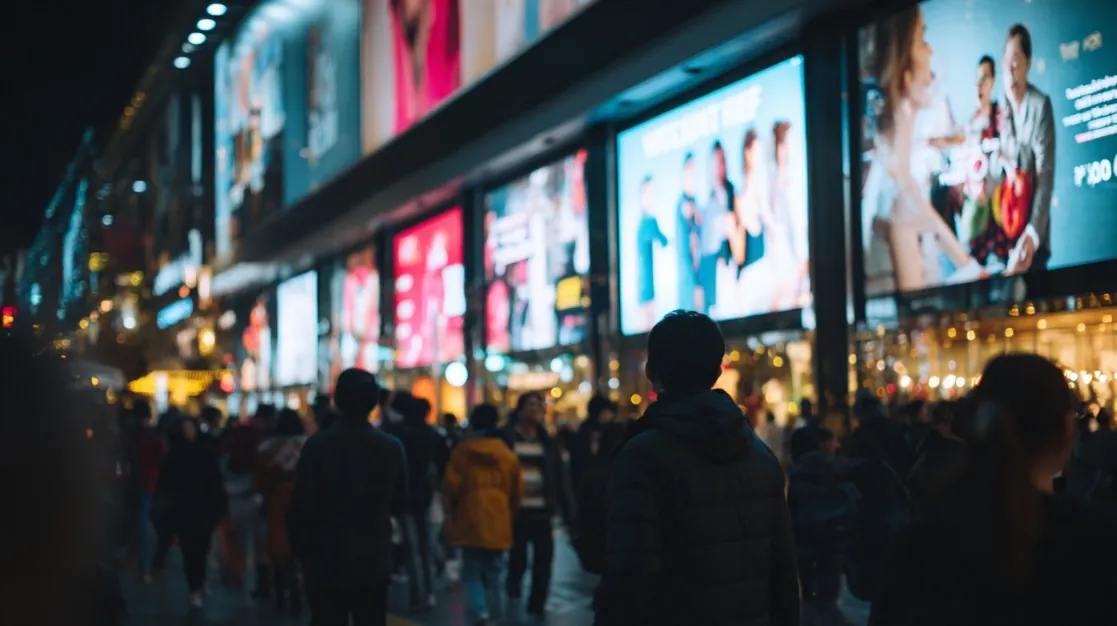
Promoting everything to everyone refers to the practice of broadcasting messages, offers, and launches without segmentation or personalization, sending the same content to the entire customer base or audience. This approach disregards key variables such as:
- Individual purchase behavior.
- Specific preferences and values of each customer.
- The most effective communication channels for each segment.
- The particular moment within the customer journey.
The absence of these considerations leads to generic and irrelevant communication, which often causes negative effects on both consumer perception and business results.
Negative impacts of mass and indiscriminate communication
Disconnection with the consumer
Lack of personalization generates messages that the customer considers irrelevant, which may lead to indifference or even rejection of the brand. In a saturated environment, relevance is key to capturing and retaining attention.
Loss of efficiency and low return on investment
Investing in poorly segmented mass campaigns implies inefficient resource allocation, with notably low open, click, and conversion rates, affecting the economic performance of marketing actions.
Degradation of brand positioning
Homogeneous and undifferentiated communication contributes to the brand being perceived as generic, without distinct attributes that generate preference or meaningful recognition.
Increasing dependence on promotions and discounts
When offers become constant and lack a clear rationale, consumers begin to expect discounts as a condition for purchasing, reducing the perceived value of the product or service and eroding profit margins. A recent McKinsey study (2023) indicates that 71% of consumers demand personalized interactions and 76% express frustration when these expectations are not met. This gap between expectation and reality can negatively affect loyalty and conversion rates.
Main negative effects on the brand derived from mass promotion
Advertising fatigue and loss of attention
Consumers receive between 6,000 and 10,000 advertising impacts daily. Faced with this saturation, messages that do not provide value or are not personalized are automatically ignored, leading to progressive decreases in key engagement metrics such as open rates, CTR (click-through rate), and engagement.
Devaluation of the product or Service
The constant repetition of promotions without strategic grounding leads consumers to perceive the original price as arbitrary or inflated, reducing their willingness to pay (WTP) and generating a negative spiral in profitability.
Transactional commercial relationship without loyalty
Customers who respond only to discounts behave like opportunistic buyers, with no emotional commitment to the brand. This customer profile does not encourage repeat purchases or referrals, increasing churn rate and reducing CLV.
Competitive invisibility in the market
Lack of differentiation in communication causes the brand to get lost in market noise, weakening storytelling and eliminating the unique elements that could build a loyal consumer community.
Strategic alternative: advanced segmentation and structured loyalty programs
Leading organizations are adopting communication models based on data analysis, intelligent segmentation, and the design of robust loyalty programs that go beyond simple discounts.
Segmentation based on data and business logic

Current segmentation goes beyond traditional demographic variables to incorporate dynamic criteria such as:
- RFM analysis (Recency, Frequency, and Monetary value) of purchases
- Customer lifecycle: classification into new, active, recurring, inactive, and VIP
- Interest categories and affinity with specific products
- Omnichannel behavior, including campaign response, point-of-sale interactions, and app usage
Integrating this information into Customer Data Platforms (CDP) allows for a unified customer view and the execution of highly relevant and profitable campaigns.
Contextual and automated personalization
Effective personalization goes far beyond including the recipient's name in a message. It consists of designing and activating content, offers, and communications adapted to the specific context and moment, such as:
- Product recommendations based on browsing or purchase history
- Offers triggered by relevant events: birthdays, repurchase, inactivity periods
- Message adaptation to the customer's preferred channel (email, WhatsApp, SMS, Push notifications)
Various studies show that brands applying advanced personalization strategies generate up to six times more revenue per campaign than those that do not.
Designing structured loyalty programs: beyond the discount

A successful loyalty program is based on building long-term relationships that encourage engagement and increase average customer value. Three proven models predominate:
Tiered programs
Inspired by gamification, these systems reward customer progress with increasing benefits:
- Tier 1: early access and exclusive welcome offers
- Tier 2: tangible benefits such as free shipping and accelerated points accumulation
- Tier 3: preferential service, exclusive events, and personalized services
This approach creates an aspirational effect that fosters repeat purchases and raises the average ticket. Studies show that tiered programs increase retention by 20% and Average Order Value (AOV) by 15%.
Exclusive communities based on affinities
Some brands develop closed communities for customers with shared interests, lifestyles, or values—such as athletes, vegan consumers, or sustainability advocates. These communities foster brand identification, increase engagement, and improve NPS (Net Promoter Score).
Hybrid loyalty ecosystems

This model combines tiers, affinities, personalization, and automation to create dynamic and progressive experiences for each customer, incorporating:
- Artificial intelligence for behavior prediction
- Coordinated multichannel activations
- Non-transactional experiences such as exclusive content, gamification, and participation in product design
Brands implementing these ecosystems report average increases of 30% in retention rate and 25% in CLV during the first year.
Conclusion: precision replaces volume and value surpasses discount
The era of massive and indiscriminate promotions has come to an end. Companies achieving sustainable results and profitable growth are those betting on customer relationships based on data, technology, and a long-term strategic vision. The current challenge is not to sell more, but to sell better: with less friction, greater affinity, and higher value for the consumer. In a market where attention is the scarcest resource, only brands that provide meaning and relevance will be able to build true and lasting loyalty. “When you deeply understand your customer, you don’t need to shout; it’s enough to communicate at the right time and through the right channel.”