The digital transformation has forever changed the way brands interact with their customers. In this new landscape, virtual assistants are gaining ground in the retail sector as key tools to provide immediate responses, personalized attention, and seamless experiences across all channels.
Their impact goes beyond simple automation: they significantly improve the customer experience and strengthen loyalty strategies, all with an efficiency that was previously only possible with large human teams. In this article, we explore how automated interaction solutions are revolutionizing retail and what role they can play in a customer-centric strategy.
What is a chatbot and how does it work in retail?

They are automated solutions that interact with users through natural language, simulating personalized service. In retail, their use has spread as an effective way to improve customer service, speed up responses, guide consumers through the purchasing process, and reinforce loyalty actions, both online and in physical stores.
In this section, we’ll look at how they work, the types that exist, and the channels in which they can be integrated as part of an omnichannel strategy.
Key technologies behind automated interaction
These tools typically operate using technologies such as:
-
Natural Language Processing (NLP): allows them to understand user input, even with typos or poorly structured phrases.
-
Machine learning: some bots learn from each interaction and improve their responses over time.
-
Knowledge bases: contain predefined or structured responses that the bot offers for specific queries.
These capabilities enable more accurate, contextual, and aligned service with the expectations of the digital consumer.
Types of virtual assistants: rules or artificial intelligence?
Rule-based systems
They operate with predefined conversational flows. For example: if a customer asks “Where is my order?”, the bot provides a specific response with options.
They are easy to implement and highly effective for FAQs or repetitive processes.
AI-powered assistants
They use AI and natural language processing to interpret user intent. They don’t require perfectly phrased questions and can adapt responses based on context.
These are ideal for more complex conversations or for providing personalized recommendations based on behavior or customer history.
Both models are useful and can coexist in the same strategy depending on the goals of each channel.
Omnichannel presence: key integration in retail and ecommerce
One of the main advantages of these tools is their ability to integrate smoothly across multiple channels, maintaining a consistent user experience:
-
Ecommerce websites: they assist users while browsing, resolve questions, or drive conversions.
-
Mobile apps: enable direct interaction and personalized notifications.
-
Messaging platforms (WhatsApp, Telegram, etc.): very effective for post-sales and loyalty.
-
Social media: handle FAQs, generate leads, and improve engagement.
By acting as a constant touchpoint, these solutions support a customer-centric approach and increase the perceived value of the service.
Benefits for improving customer experience
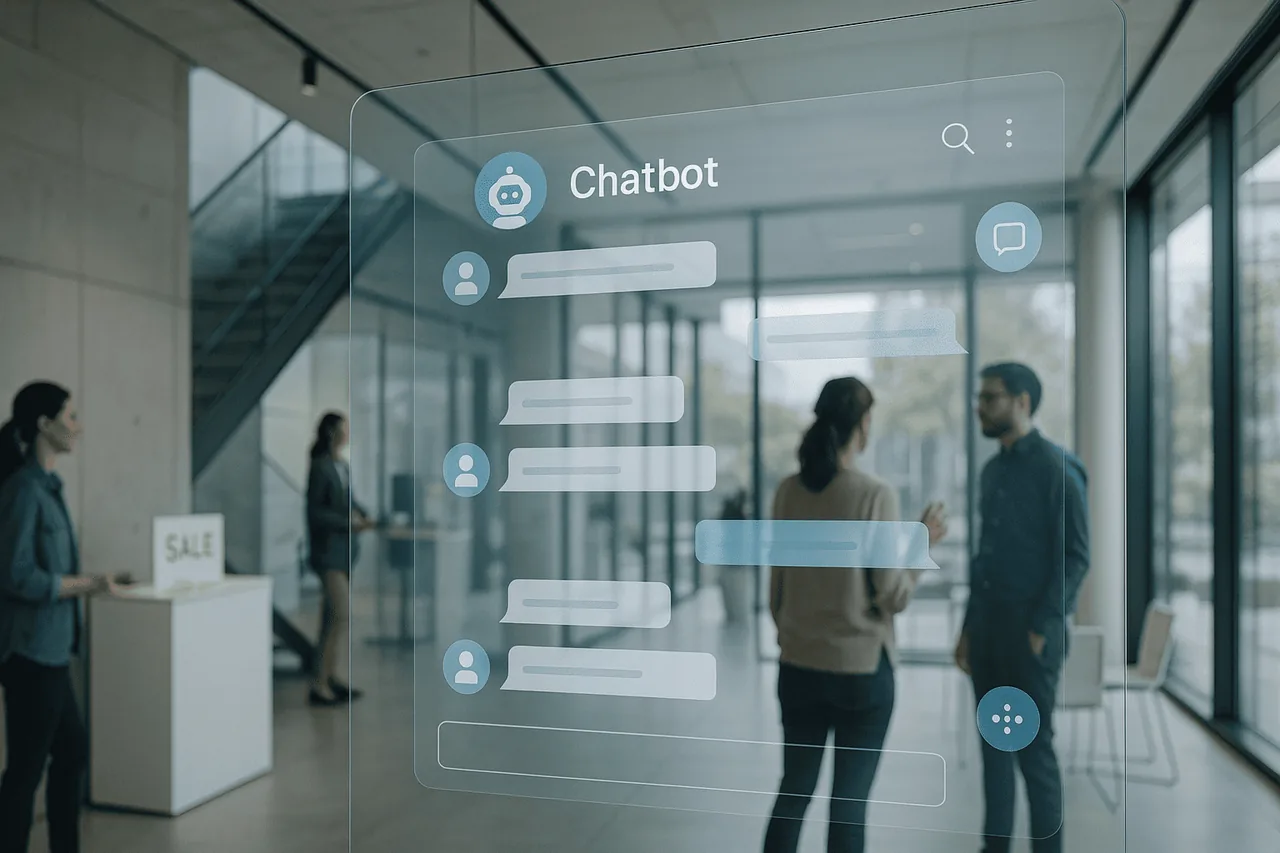
Implementing virtual assistants in ecommerce and retail not only reduces operating costs but also significantly enhances customer experience by offering fast and personalized 24/7 service.
Instant support and full availability
Conversational technology allows for immediate responses to any inquiry, regardless of time or channel. This always-on support improves the customer experience and prevents lost sales opportunities.
Data-driven personalization
By connecting with customer platforms, they tailor each message based on the user’s history and preferences. This makes every interaction more relevant, effective, and engaging.
Reduced workload, greater efficiency
Lowering manual workload allows human teams to provide more specialized and satisfying service.
Loyalty through relevant conversations
These systems remind customers of current promotions, recommend products, and build personal connections with thank-you messages.
How they support loyalty strategies

In today’s retail environment, maintaining an ongoing and personalized relationship with the customer is key to generating loyalty. These tools automate that bond through useful, timely, and profile-based messages.
Activation of personalized promotions
They automatically notify customers when a coupon is available, a new discount has arrived, or a milestone in their loyalty program is reached. These alerts increase conversions and perceived value without manual intervention.
Automated post-sale follow-up
After a purchase, they can send order details, confirm delivery, or even thank the customer. This type of post-sale service improves satisfaction and builds brand trust.
Re-engagement of inactive customers
When a customer hasn’t interacted with the brand in a while, they can trigger a personalized campaign: a reminder, an exclusive offer, or an invitation to return. This automated reactivation is effective in reducing churn and improving retention.
Surveys and feedback collection
They are also useful for measuring the experience after a purchase or service. Through short surveys, they collect real-time feedback, providing key insights to optimize products, processes, and customer support.
Examples of chatbot use in retail
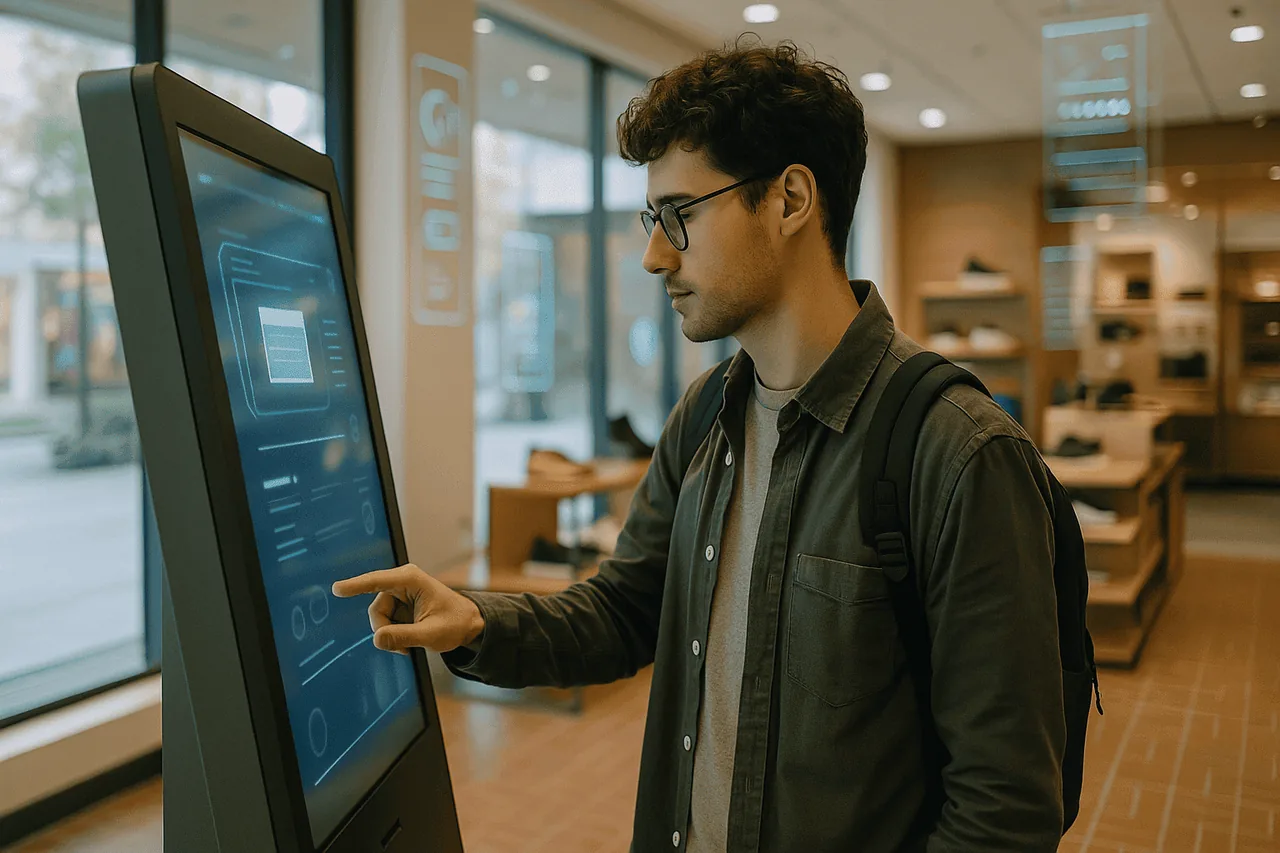
Their use in retail is already a reality many brands are leveraging to improve customer relationships. From online stores to physical locations, these digital assistants help optimize service, strengthen loyalty, and streamline key processes throughout the customer journey. Here are a few use cases where chatbots make a difference.
Fashion ecommerce
In online clothing and accessories stores, they help find sizes, suggest items based on customer style, or answer return-related questions. They can also remind users of active coupons or inform them of limited-time offers, improving conversions.
Physical stores with digital integration
Many retailers are using omnichannel virtual assistants to provide support before in-store visits. For example, they allow product reservations, check availability, or send personalized alerts based on customer location. This enhances the experience and streamlines in-store shopping.
Omnichannel loyalty programs
They can also act as an activation channel within a loyalty program. They send point reminders, announce new benefits, or invite customers to participate in exclusive promotions — all in an automated, personalized way.
Customer support during campaigns or sales
During high-demand periods like sales or special launches, they help maintain service without overwhelm. They can handle hundreds of queries at once, give consistent answers, and escalate only complex cases to human teams.
Are chatbots the future of retail?

Without a doubt, these technologies are revolutionizing how brands and customers interact, providing speed, personalization, and efficiency. But their true potential multiplies when they’re part of a broader strategy focused on loyalty and customer experience.
At Wapping, we help retailers build that connected customer vision by integrating data, channels, and technology to foster lasting relationships. Ready to take the next step?
Request a demo and discover how our platform can help you create smarter, more personalized, and more effective experiences across your entire retail ecosystem.