In the world of retail, where the boundaries between physical and digital are blurring, the real challenge is not attracting customers but keeping them. Achieving this requires more than good products or competitive prices: it is about building a lasting relationship based on trust and personalization.
Today's customers are more demanding than ever. Studies show that 80% of consumers prefer to buy from brands that offer them personalized experiences. They are not just looking for discounts, but for moments that make them feel valued. A loyal customer not only comes back, but spends more and becomes an organic ambassador for your brand. And with acquisition costs rising across every channel, improving retention has become one of the most accessible and high-impact levers for any retailer.
In this article we reveal the keys to building a successful loyalty program that increases both retention and the Customer Lifetime Value (CLV) of your customers.
The true meaning of loyalty: Beyond points and discounts
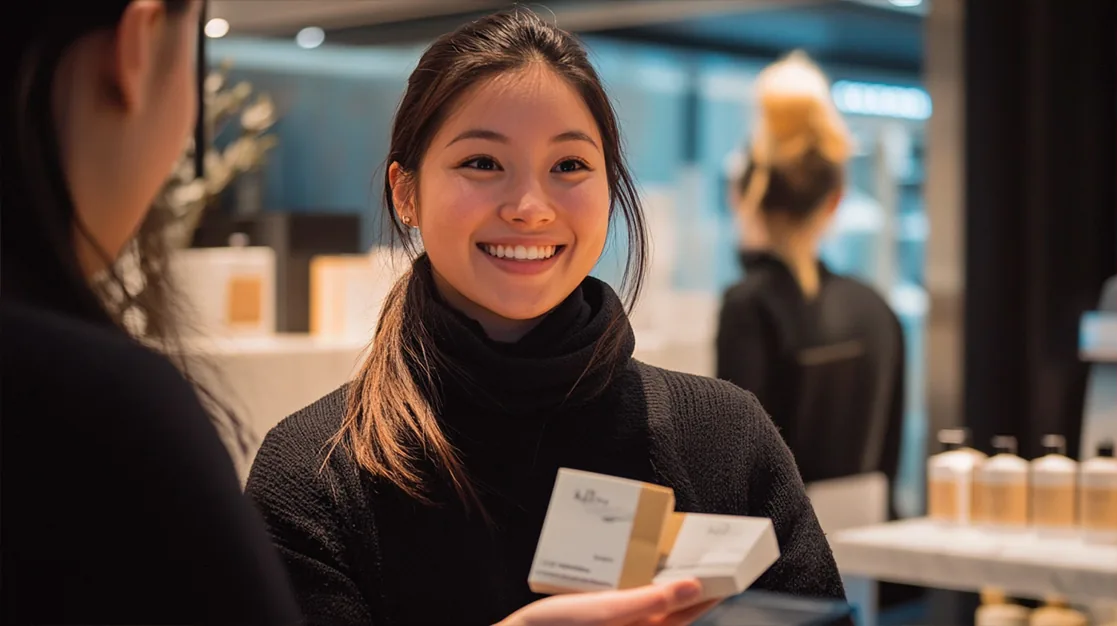
What is customer loyalty in retail? Loyalty is the set of strategies aimed at getting a customer to repeat purchases voluntarily and preferentially over competitors, generating a sustained value relationship over time.
For years, points and discount programs have been the cornerstone of retail loyalty. But the rules of the game have changed. Consumers are no longer satisfied with accumulating points; they seek relevance and emotional value in every interaction. Customer loyalty in retail today is more than transactions: it’s about emotionally connecting with the customer.
The most successful programs we observe in the market not only offer monetary rewards but also create exclusive experiences: early access to products, private events for VIP customers, or personalized recognition on key dates. The difference lies in the experience, not the discount itself.
Key pillars of modern loyalty
- Personalization: Customers like to feel special. Sending recommendations based on their purchase history, remembering their preferences, or rewarding them on special dates such as birthdays or customer anniversaries has a direct impact on retention campaign conversion rates.
- Emotional value: Rewards that connect with the customer’s emotional side generate greater impact and lower churn rates. Exclusive access to new launches, unique experiences, or public recognition within a community are proven examples.
- Continuous interaction: Customer engagement strategies maintain an ongoing relationship with customers through social media, events, valuable content, and behavior-triggered communications—not just after a purchase.
- Key metrics to monitor: NPS (Net Promoter Score), repeat purchase rate, churn rate, CLV, and loyalty program activation rate.
Omnichannel as the foundation of retail loyalty
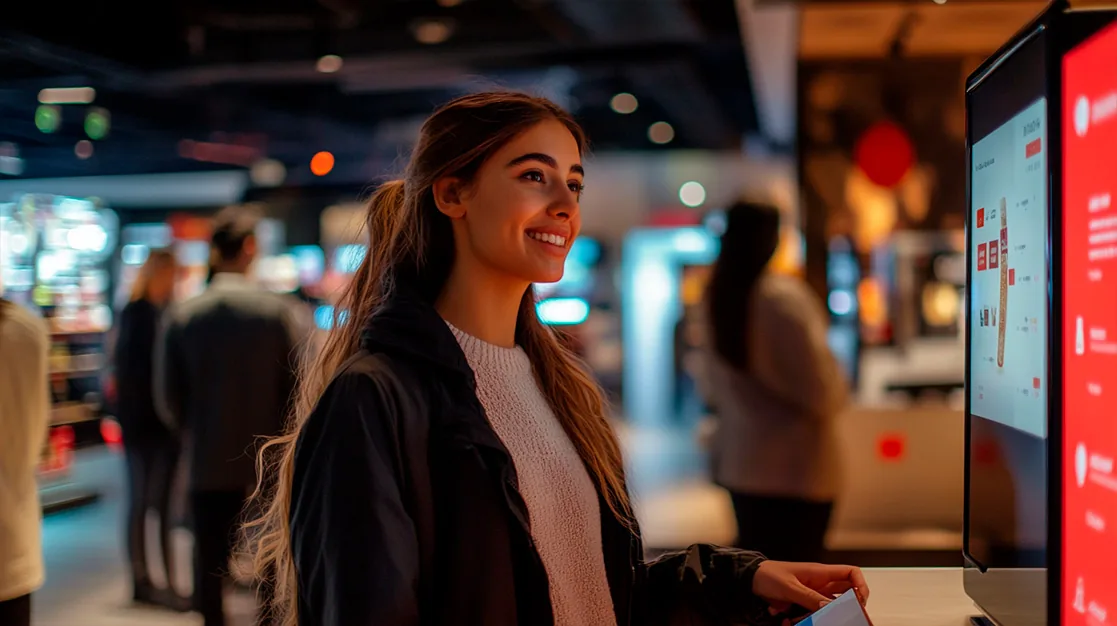
Today, consumers expect a seamless experience across all brand touchpoints. This means that whether they shop on your ecommerce, mobile app, or physical store, the experience must be consistent, frictionless, and continuous. Omnichannel marketing is not optional—it is essential for building customer loyalty in retail.
Imagine a customer earns loyalty points when shopping online but cannot use them in-store. The result: frustration, loss of trust, and increased churn. Channel consistency is essential to maintaining a strong relationship.
How to improve omnichannel strategy
- Unify rewards: Ensure customers can access their loyalty benefits regardless of the channel. This includes points, promotions, and discounts.
- Simplify access to information: Customers should easily check and use their points across web, store, or app.
- Omnichannel communication: Implement email, SMS, or push notifications triggered by behavior such as birthdays, cart abandonment, or inactivity.
- Unified customer identity: Assign a unique identifier per customer across all channels to avoid fragmented data.
Gamification: make loyalty engaging and long-lasting
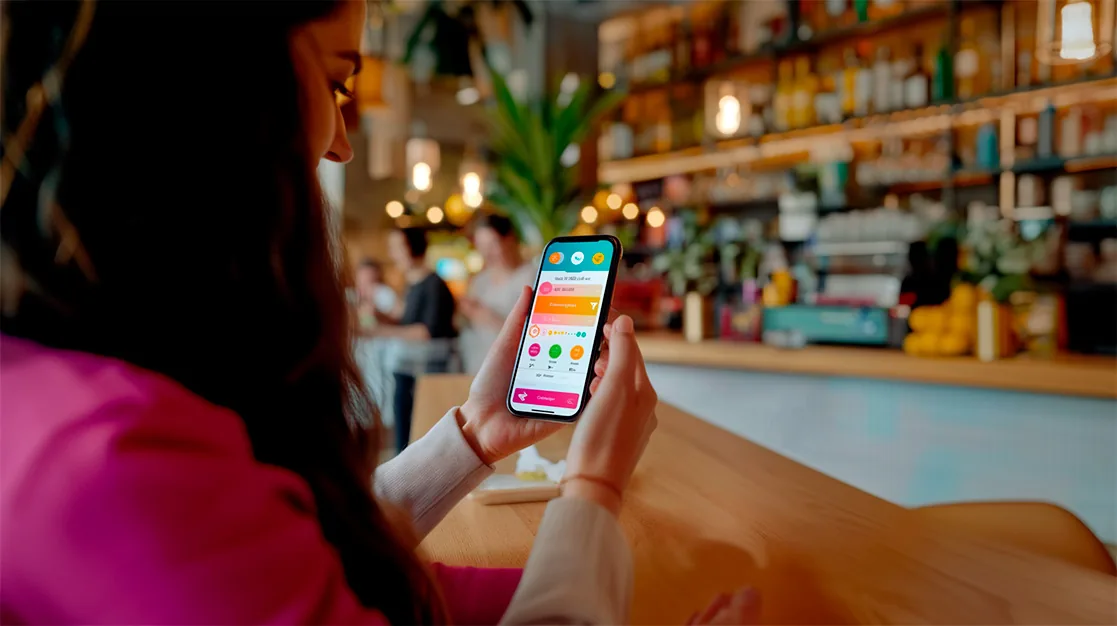
What is gamification in retail? Gamification involves applying game mechanics—points, levels, challenges, achievements—to the shopping and loyalty experience to increase engagement and visit frequency.
This approach transforms the customer experience into a game where users can accumulate points, unlock achievements, or earn rewards.
Why does it work? Because it taps into psychological drivers: progress, instant reward, and loss aversion.
Gamification ideas for retail
- Challenges and achievements: Create achievable goals like “Make 3 purchases this month and get 10% off.”
- Tiered rewards: Offer progressively unlockable rewards to sustain engagement.
- Membership tiers: Silver, Gold, Platinum programs with exclusive benefits.
- Limited-time challenges: Double points weekends to create urgency.
Surprise your customers: the power of the unexpected
In loyalty, the surprise factor is one of the most powerful tools. Unexpected rewards create stronger emotional impact than planned promotions.
This is known as the peak-end rule: customers remember the most intense moments and the ending of an experience.
Ways to surprise your customers
- Surprise rewards: Unexpected discounts or bonus points.
- Personalized surprises: Tailor rewards based on customer data.
- Special celebrations: Birthdays or anniversaries.
- Individual recognition: Personalized messages acknowledging milestones.
Conclusion: loyalty as a sustainable competitive advantage
Customer loyalty is not just another strategy in retail; it is the path to sustainable growth. As acquisition costs rise and margins tighten, companies that retain customers gain a long-term advantage.
From personalization to gamification, omnichannel strategies, and surprise elements, all approaches share one goal: building an emotional connection that keeps customers coming back.
Ultimately, customers are not just looking for products—they seek experiences aligned with their expectations and lifestyle. Brands that achieve this will lead the future of retail. And the first step is always the same: treat every customer as if they were the only one.