The retail industry is undergoing a radical transformation, driven by technology and the constant shift in consumer expectations. Among the most disruptive tools shaping the future of the sector are digital twins, an innovation poised to redefine how we understand the shopping experience, logistics, and operational efficiency.
What Is a Digital Twin and Why Does It Matter in Retail?
A digital twin is a virtual representation of a real-world object, process, or system. This static or dynamic replica allows retailers to simulate, predict, and optimize real-world behaviors using real-time data. In retail, this means modeling anything from in-store customer flow to the performance of the supply chain.
Unlike other emerging technologies, this is not just a theoretical trend. Leading global companies are already leveraging its potential to improve decision-making and anticipate scenarios that could impact the customer experience or business profitability.
Main Applications of Digital Twins in Retail
-
Optimize Store Layouts Through Simulation
Simulations allow retailers to test different product placements, furniture arrangements, and customer flows without making changes in the physical world. This helps tailor spaces to real shopping behaviors, improving conversion rates and reducing bottlenecks.
-
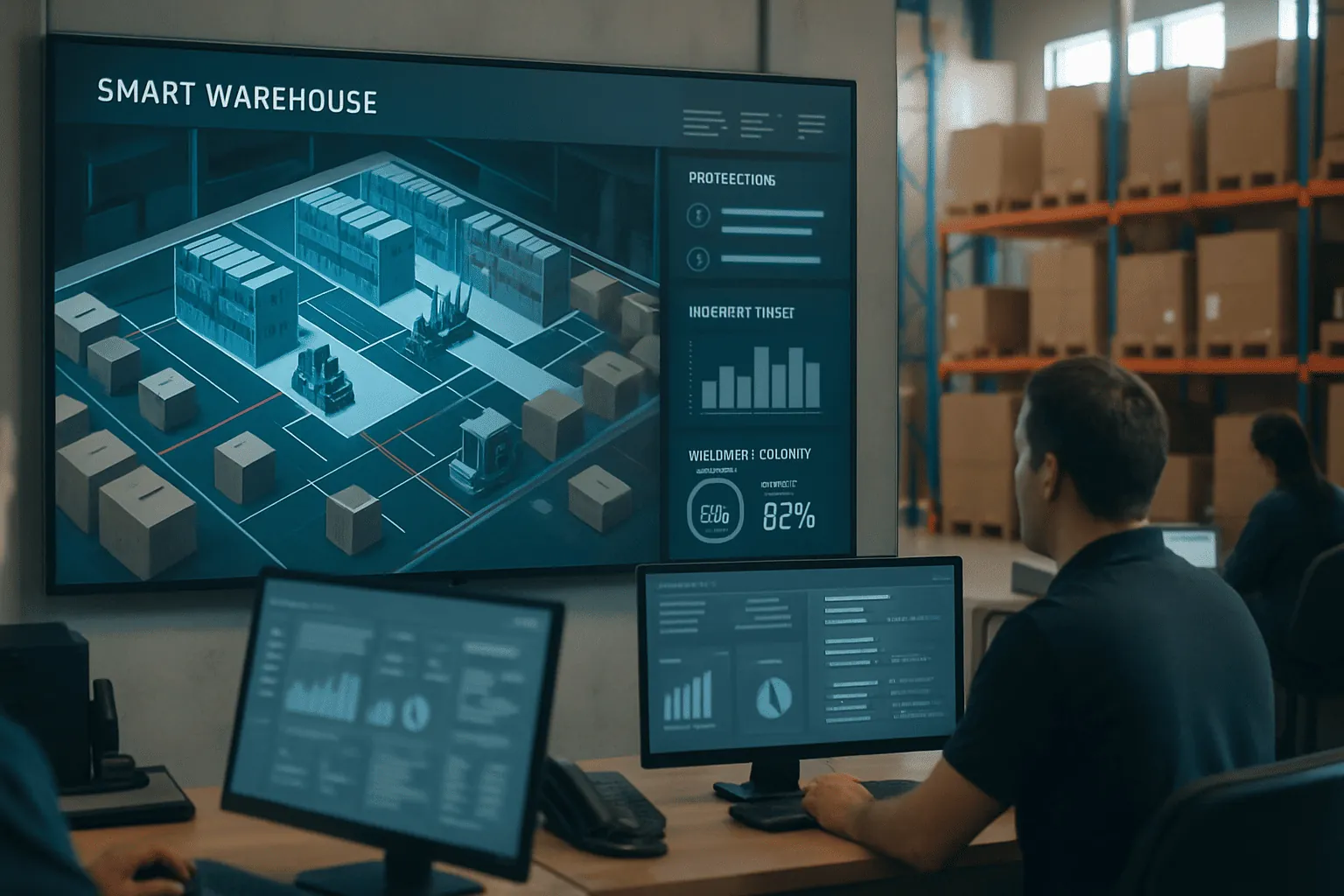
Advanced Inventory Management with Real-Time Data
By integrating ERP systems, IoT sensors, and AI tools, retailers can anticipate restocking needs, prevent stockouts, and minimize overstock. This not only boosts operational efficiency but also enhances customer satisfaction.
-
Customer Behavior Analysis to Enhance Experience
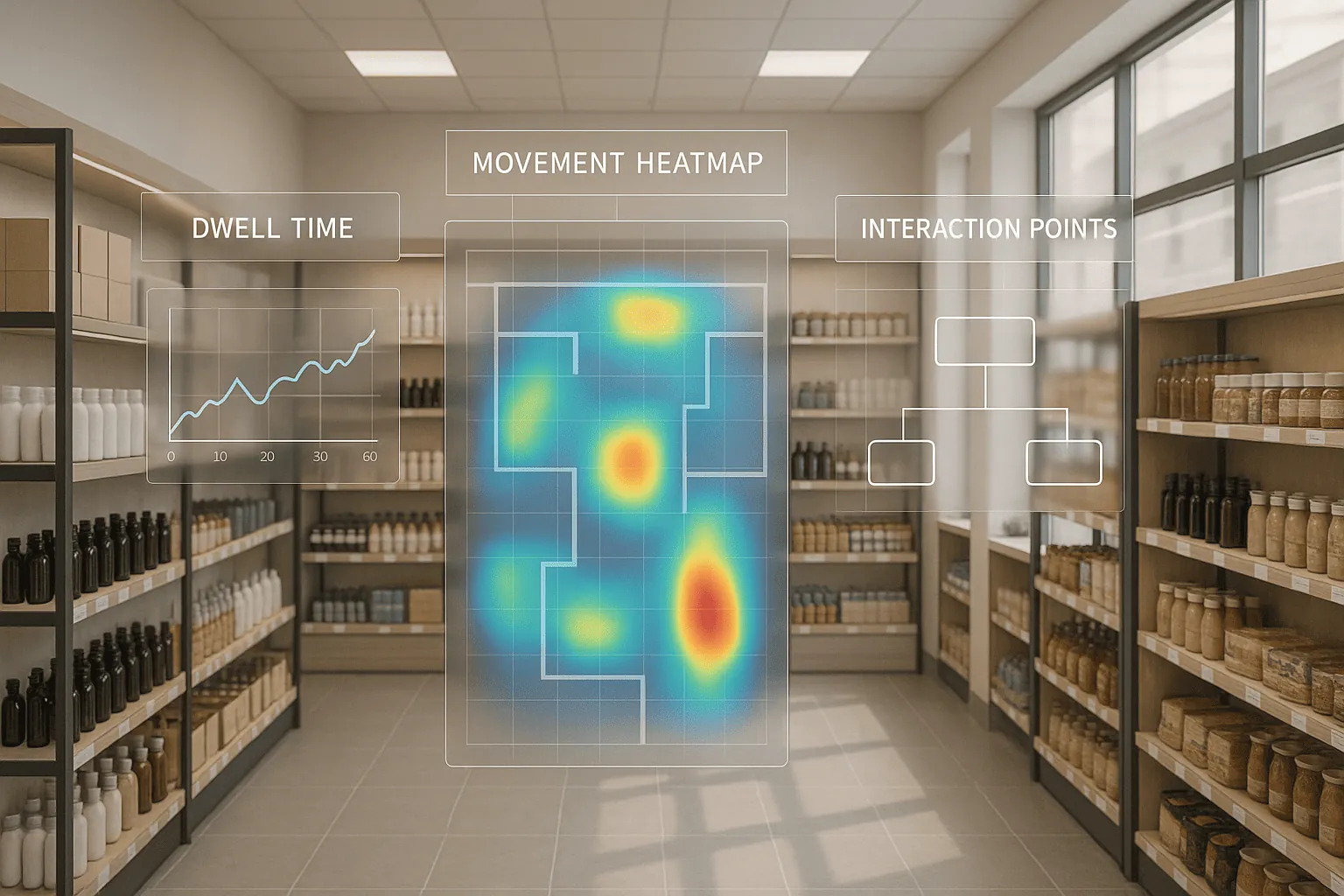
Retailers can create digital models of consumer behavior, analyzing dwell times, responses to promotions, and more. This enables hyper-personalized experiences and much more accurate marketing strategies.
-
Strengthen the Supply Chain with Digital Simulations
In an increasingly volatile environment, having a digital replica of the logistics network enables retailers to simulate crisis scenarios, optimize distribution routes, and identify weak points before they become real issues.
Competitive Advantages of Implementing Digital Twins in Retail
The adoption of this technology brings several competitive benefits:
- Reduced operating costs through resource optimization and error prevention.
- Data-driven decision-making instead of relying on intuition.
- Continuous improvement through simulations and virtual testing.
- Greater agility in adapting to market or consumer shifts.
Challenges of Adopting This Technology in Retail
Embracing such technological solutions comes with challenges. It requires significant upfront investment, integration with existing systems, and most importantly a cultural shift within the organization. Success depends not only on the technology itself, but also on the team's ability to interpret data and make informed decisions. Another critical factor is data privacy and security. Managing large volumes of sensitive information makes it essential to implement robust cybersecurity protocols that protect both the company and its customers.
Examples of Companies Already Using Digital Twins
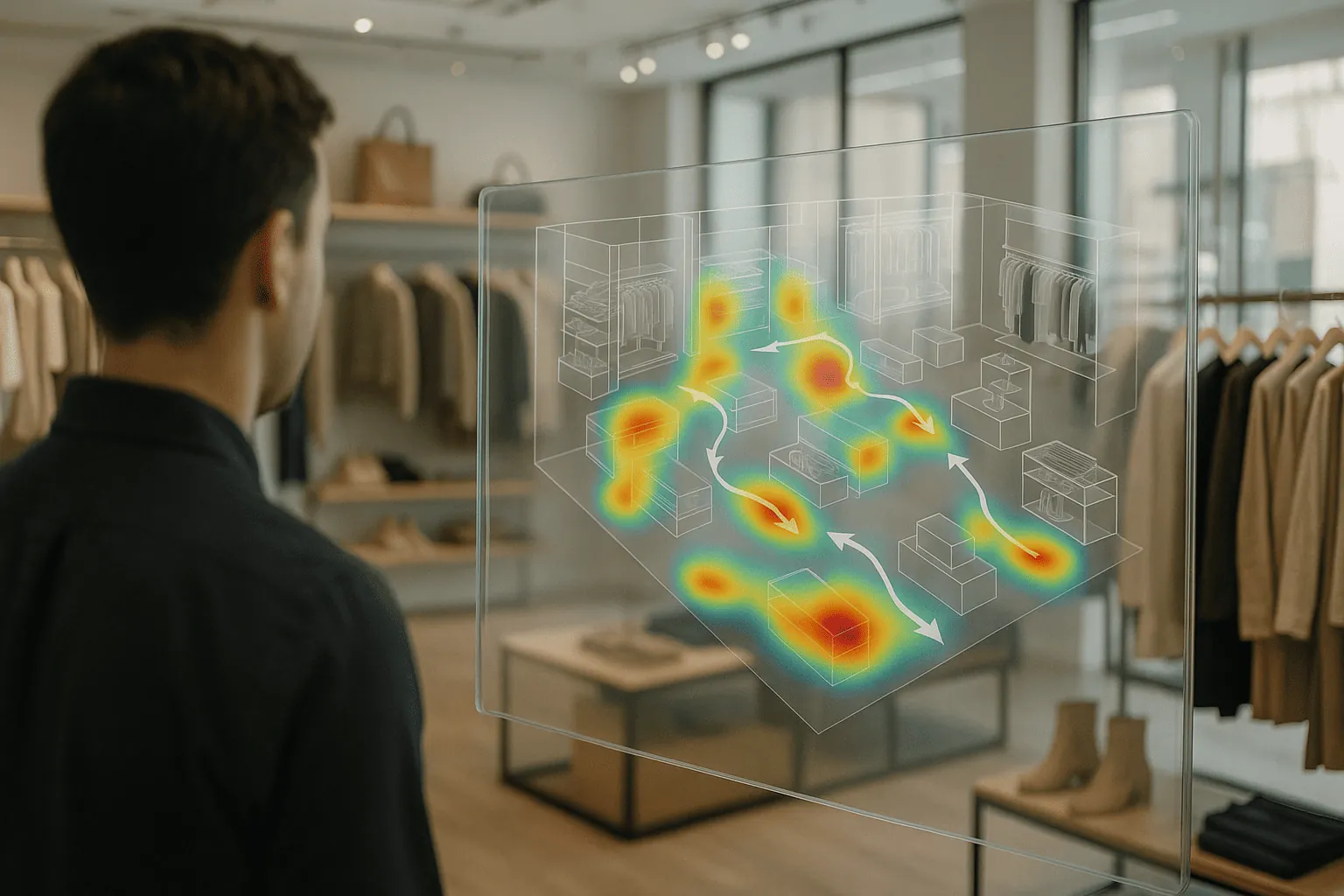
Companies like Walmart are already experimenting with virtual representations to improve both efficiency and the shopping experience. For instance, Walmart has used simulations to redesign store layouts based on internal traffic patterns.
These examples show that far from being a futuristic promise such solutions are already impacting the daily operations of major brands and will gradually become accessible to medium and small businesses as well.
How to Start Implementing Digital Twins in Retail
- Initial Diagnosis: assess current processes and identify areas where a virtual model could add value.
- Define Clear Objectives: from improving the customer experience to reducing logistics costs.
- Select Strategic Partners: work with technology providers experienced in simulation and advanced analytics.
- Promote a Data Culture: train teams to interpret insights and act accordingly.
Conclusion:
Integrating digital solutions is not an option but a necessity for companies that want to lead in a competitive environment. It is not just about technology, but about a new way of thinking about business: more flexible, more customer-focused, and smarter.
At Wapping, we understand that success in modern retail requires tools that enable anticipating change and making data-driven, evidence-based decisions. That is why we are committed to supporting our clients in implementing solutions designed to enhance customer experience and brand differentiation.