For years, growth in the retail sector was tied to a relatively simple equation: more advertising investment, more traffic, more sales. However, that model is no longer sustainable. Acquisition costs have skyrocketed, consumers are increasingly demanding, and competition is fierce across all channels.
Today, marketing leaders at large retailers face a very different challenge. It is no longer just about selling more, but about getting customers to come back, to repeat, to build a relationship with the brand and to increase their value over time. In this context, customer loyalty has evolved from a tactical initiative into a strategic business priority.
This paradigm shift explains why concepts such as omnichannel retail, loyalty platforms, or Customer Data Platforms (CDPs) are now at the center of conversations within marketing departments and executive committees.
The big challenge for marketing leaders in large retailers
More channels, more data… and more complexity
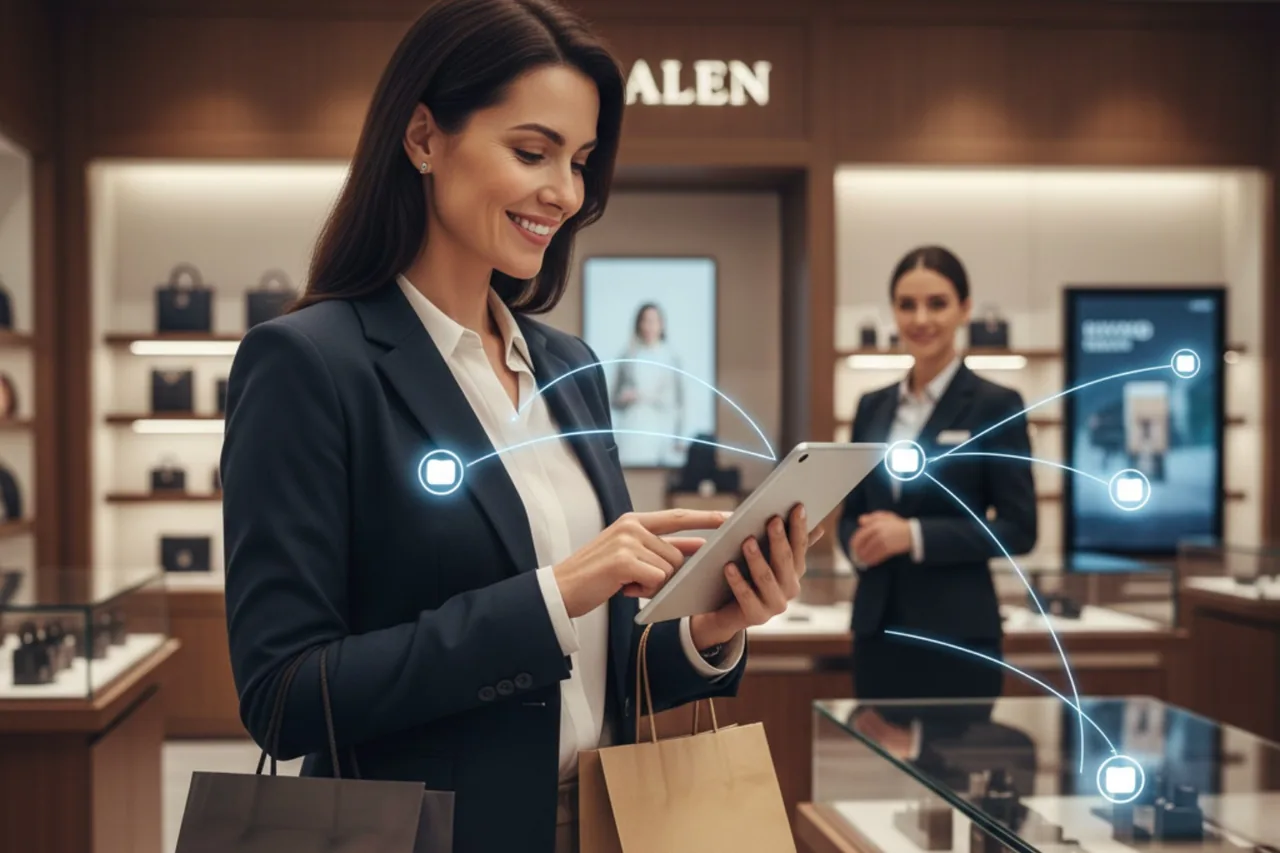
The ecosystem of a large retailer is more complex than ever. Ecommerce, physical stores, mobile apps, loyalty programs, CRM, call centers, email campaigns, SMS, push notifications, or social media. Each channel generates data, interactions, and behaviors that, in theory, should help to better understand the customer.
The problem is that, in many cases, this information is scattered across multiple systems. The result is a fragmented view of the customer that makes both personalization and strategic decision-making difficult.
The pressure to prove ROI in every marketing action
Marketing leaders are no longer expected to be just creative. Today they are required to be analytical, strategic, and results-oriented. Every campaign, every action, and every euro invested must justify its business impact.
In this context, launching mass campaigns without precise segmentation or clear impact measurement has become unviable. Intuition-based decisions have given way to the need for unified, actionable data.
Customers are increasingly less loyal and more demanding
Today’s consumer compares, researches, and switches brands easily. Loyalty is no longer won solely through price or product, but through relevant and personalized experiences.
Retailers that fail to understand changes in consumption habits or anticipate customer needs see recurrence drop and churn increase.
Why customer loyalty is now a strategic priority
Acquiring new customers is increasingly expensive
One of the biggest pain points for marketing teams is the constant increase in acquisition costs. Dependence on advertising platforms and saturation of impressions make attracting new customers less and less profitable.
In this scenario, retaining existing customers becomes a key lever to improve business profitability.
The direct impact of loyalty on LTV
Lifetime Value (LTV) has become one of the most important KPIs for CEOs and executives. This is no coincidence. A loyal customer buys more frequently, has a higher average ticket, is less price-sensitive, and recommends the brand.
Investing in customer loyalty not only improves the relationship with the consumer, but also has a direct impact on medium- and long-term revenue.
Loyalty is not just about launching a points program
One of the most common mistakes in retail is thinking that loyalty can be solved with a simple points or discounts program. Without personalization, without real customer insight, and without an omnichannel strategy, these programs quickly lose effectiveness.
Modern loyalty requires data, technology, and an integrated view of the customer.
The key role of omnichannel in modern loyalty
What it really means to be an omnichannel retailer
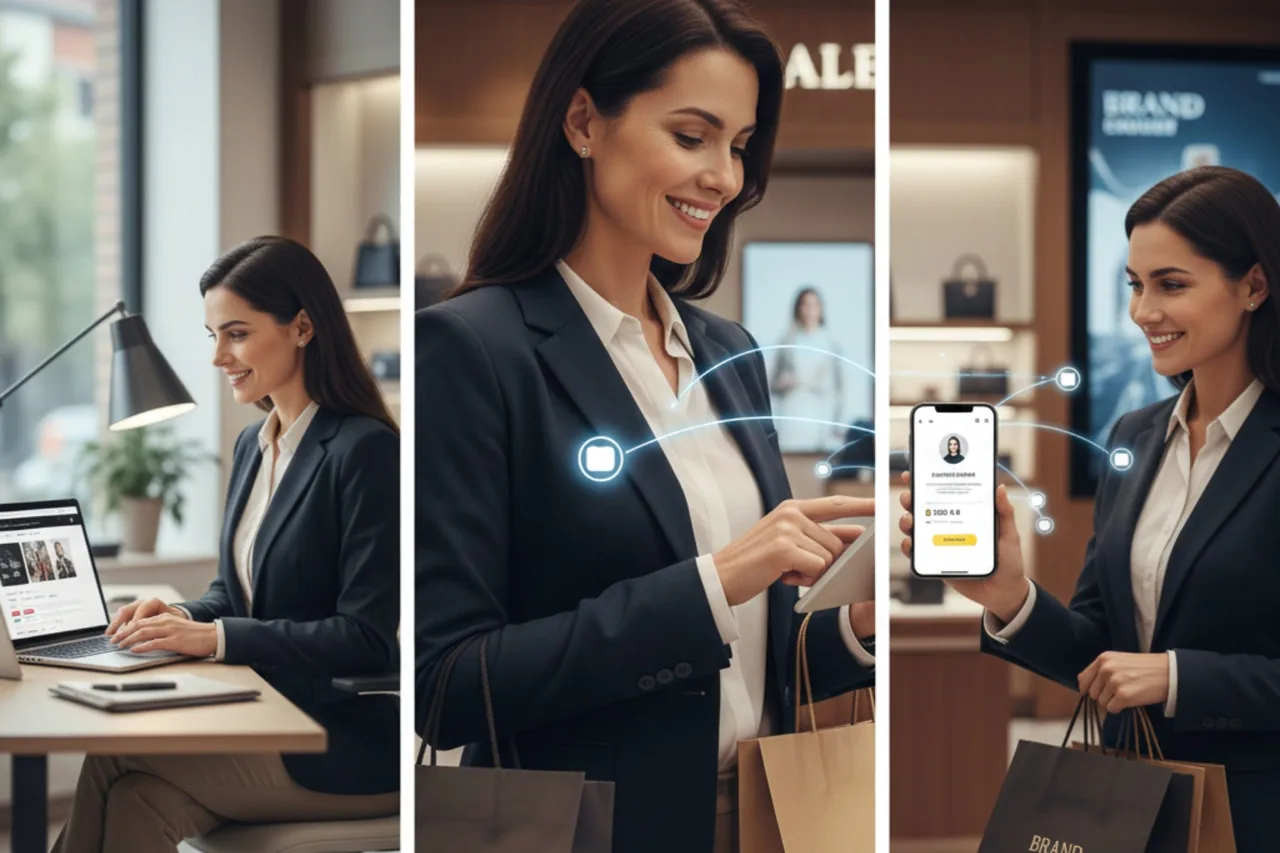
Talking about omnichannel is not about being present on multiple channels. A true omnichannel retailer is one that integrates all its touchpoints to deliver a consistent and seamless customer experience.
This means that customer data, interactions, and history are available and connected across all channels.
The customer does not differentiate between online and offline
For the consumer, the brand is one. They do not understand internal silos or departments. They expect to start an experience in one channel and continue it in another without friction.
When this does not happen, the experience suffers and loyalty is negatively affected.
Omnichannel as a competitive advantage
Retailers that have successfully integrated omnichannel into their strategy not only sell more, but also build stronger and longer-lasting relationships with their customers.
The hidden problem: scattered data and an incomplete customer view
Multiple tools, one fragmented view
CRM, ERP, ecommerce platforms, point-of-sale systems, and marketing automation tools. Each serves a purpose, but few provide a complete view of the customer.
This fragmentation prevents truly personalized campaigns and makes it difficult to measure the real impact of marketing actions.
Why there is no real personalization without a single customer profile
Without a single customer profile, messages become generic and irrelevant. Effective personalization is only possible when transactional, behavioral, and contextual data are combined into one unified profile.
The loyalty platform as the core of the marketing strategy
From mass campaigns to hyper-personalization
A modern loyalty platform allows advanced audience segmentation and the activation of communications tailored to real customer behavior.
This translates into more relevant messages, higher conversion rates, and a much closer brand experience.
Intelligent automation based on behavior
Loyalty cannot rely on manual actions. Automating communications according to the customer lifecycle allows brands to engage at the right moment with the right message.
Measure, learn, and optimize in real time
Without measurement, there is no improvement. Advanced loyalty platforms make it possible to analyze results in real time and continuously optimize the strategy.
The value of an omnichannel CDP for retailers
What a CDP brings compared to traditional tools
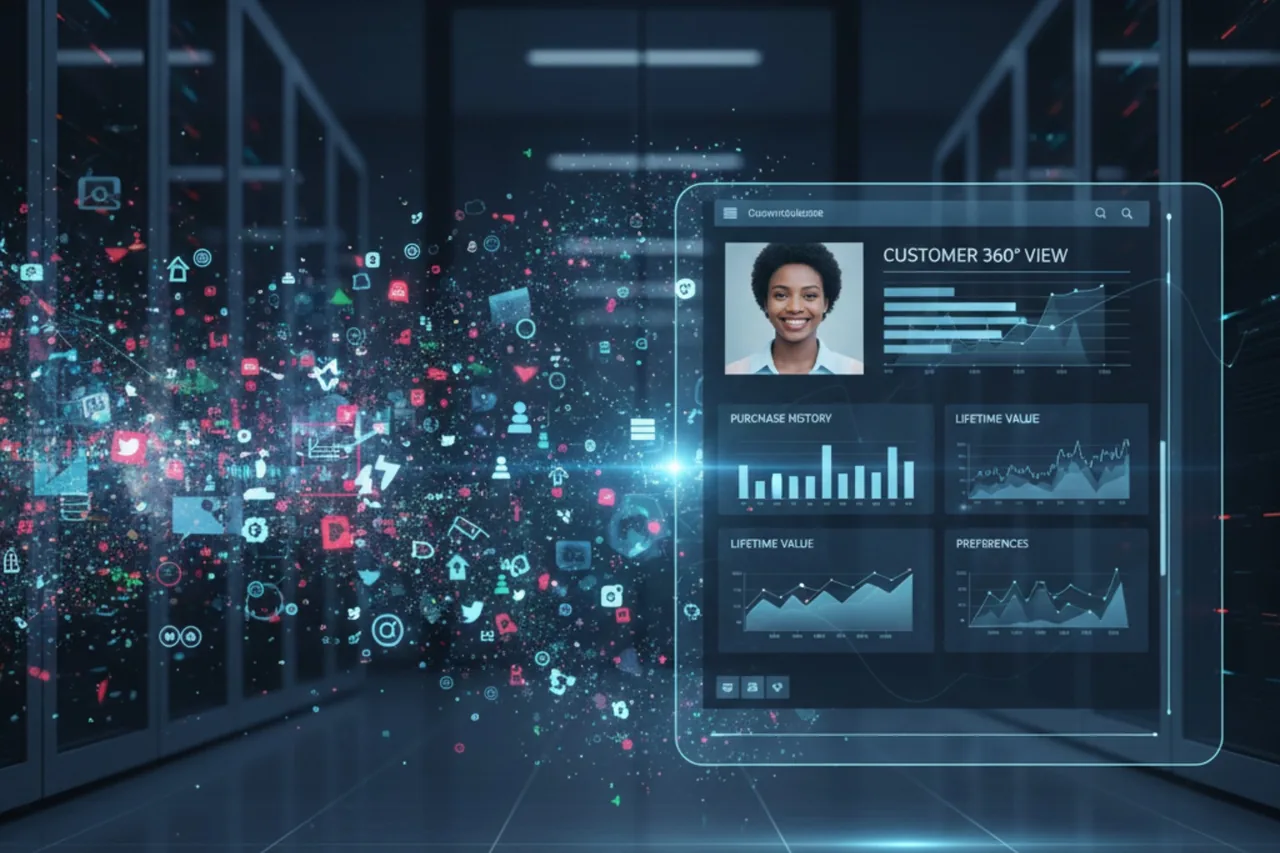
A CDP centralizes data from all channels and turns it into actionable information. For large retailers, this means moving from data chaos to a unified customer view.
The importance of a single customer profile
Having a single customer profile makes it possible to understand behavior, preferences, and the true value of each consumer, regardless of the channel.
How a CDP drives customer loyalty
By integrating data and activating omnichannel actions, a CDP becomes the engine of loyalty. Platforms like Wapping, designed specifically for omnichannel retail, enable marketing teams to make decisions based on real data and improve purchase recurrence.
What retailers that best retain their customers are doing today
Leading retailers have understood that loyalty is not a one-off action, but a cross-functional strategy supported by technology and data.
In an increasingly competitive environment, customer loyalty has become one of the main growth drivers of omnichannel retail. Marketing leaders who invest in an integrated loyalty platform and a unified customer view are better prepared to face current and future challenges.
The right technology, such as an omnichannel CDP specialized in retail, makes the difference between simply selling and building long-lasting relationships that increase LTV and business profitability.