As competition in retail grows ever fiercer, capturing customer attention is no longer enough. The key is to hold it and turn it into action. This is where hyper-personalisation comes into play: a strategy that goes beyond traditional marketing by adapting to the unique needs, preferences and behaviours of each customer.
Hyper-personalisation has proven to be a strong driver of impulse purchases, those last-minute decisions that happen when consumers feel something has been made just for them. From product recommendations to unique real-time offers, personalised strategies can turn a simple visit into an unplanned purchase. But how exactly does this approach work, and how can retailers implement it effectively? Read on to find out.
What is hyper-personalisation?
From traditional marketing to hyper-personalisation
Traditional marketing relied on broad segments such as gender, age or location to target messages at general demographic groups. However, today's consumers expect more. They want every interaction with a brand to feel relevant and tailored to them. This is where hyper-personalisation revolutionises the shopping experience.
Unlike basic personalisation, which is limited to inserting the customer's name in an email or displaying popular products in a general category, hyper-personalisation is based on analysing large volumes of data. This lets retailers understand and anticipate specific behaviours, adapting messages, offers and experiences in real time.
Data, technology and personalised strategies
Hyper-personalisation wouldn't be possible without advanced technologies such as artificial intelligence (AI), machine learning and Customer Data Platforms (CDPs). These tools collect detailed data on every customer interaction, online or offline, and turn it into actionable insights for designing more effective marketing strategies.
Why hyper-personalisation makes a difference in the shopping experience
Consumers value meaningful experiences. In fact, recent studies show that more than 80% of shoppers are willing to switch brands if they feel they aren't receiving personalised treatment. Hyper-personalisation not only increases customer satisfaction but can also have a direct impact on sales by driving impulse purchases and strengthening loyalty.
The link between hyper-personalisation and impulse purchases
What are impulse purchases, and why do they happen?
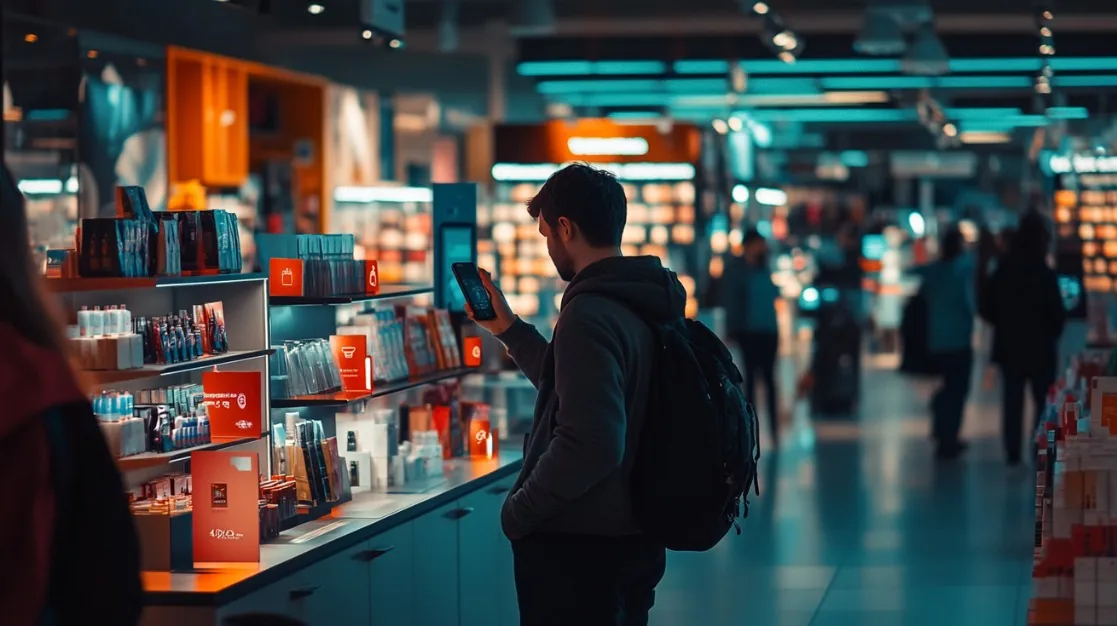
Impulse purchases are quick, often emotional decisions that consumers make without prior planning. They are usually driven by a combination of factors such as the desire to take advantage of an offer, curiosity about an attractive product, or the urgency created by fear of missing out.
How hyper-personalisation stimulates customer impulses: practical examples
When a customer receives a product recommendation that perfectly matches their interests or is offered an exclusive discount at the right moment, they are more likely to make an impulse purchase. For example:
- Online: displaying a "recommended for you" product just before checkout.
- In store: offering personalised real-time discounts via mobile apps.
- In both cases: creating a sense of urgency with messages such as "Only 3 left in stock".
Keys to implementing hyper-personalisation in your retail strategy
Know your customers: the importance of a unique customer profile
An essential element of hyper-personalisation is having a unique customer profile. It centralises all relevant information about each customer, from their product preferences to their interactions with the brand across different channels.
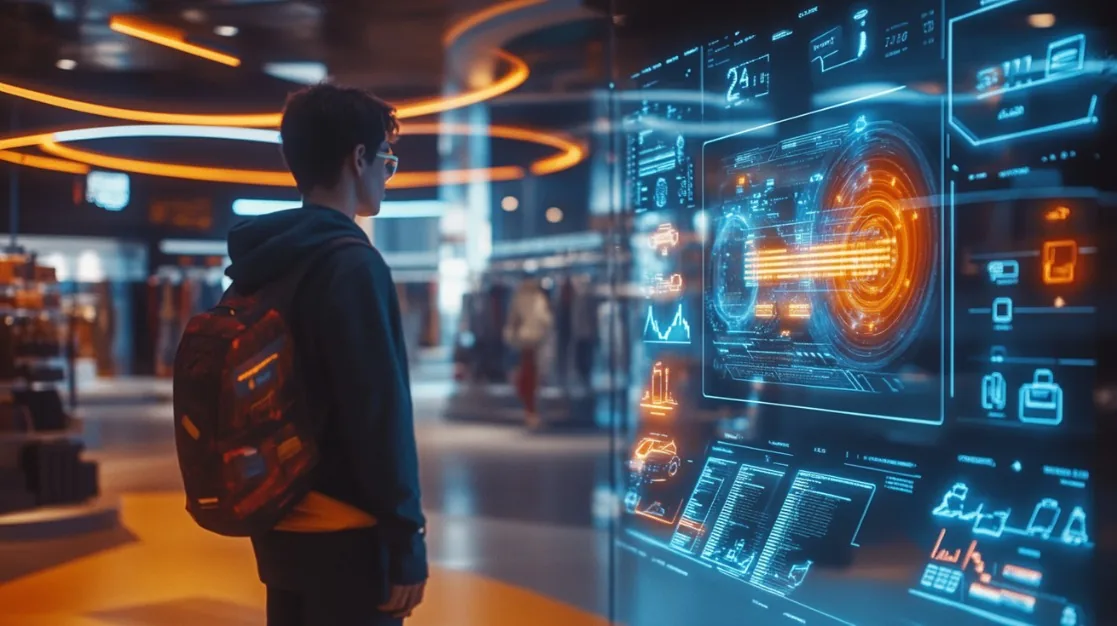
How Wapping's CDP strengthens omnichannel experiences and hyper-personalisation
Wapping centralises data from every channel to deliver unique, connected experiences. With our platform, retailers can identify behavioural patterns, personalise interactions and ensure every customer receives the right message at the right moment.
Automation and smart segmentation to capture the ideal moment
Automation is key to acting at the right time. Imagine sending a personalised discount to a customer just as they abandon their basket, or suggesting a complementary product at exactly the right moment. These actions can make the difference between a lost sale and an impulse purchase.
Omnichannel and hyper-personalisation: the perfect combination for retail
Integrating online and offline channels to improve the customer experience
Omnichannel customers expect consistency. Hyper-personalisation isn't limited to a single channel; it must be present throughout the customer experience, from the website to the physical store. For example, a customer who adds products to their online basket could receive an exclusive in-store offer to complete their purchase.
Benefits of hyper-personalisation for retailers
Higher average order value through personalised recommendations
Customers tend to spend more when they receive relevant suggestions based on their preferences or previous purchases.
Higher purchase frequency and customer loyalty
A positive, personalised experience encourages customers to keep coming back, strengthening their relationship with the brand.
Improved ROI in hyper-personalised marketing campaigns
By focusing on your audience's real interests, you reduce waste on generic campaigns and achieve better results with less investment.
Future trends in hyper-personalisation for retail

The evolution of artificial intelligence in hyper-personalisation
AI will continue to transform how brands understand and engage with customers, enabling even more precise predictions.
From big data to small data
In future, retailers will not only collect large amounts of data but also refine it to gain more precise, actionable insights.
Predictive retail: anticipating consumer desires
Brands will begin to anticipate customers' needs before they express them, creating experiences that surprise and delight.
Hyper-personalisation isn't just a trend; it's an essential tool for retailers looking to stand out in a crowded market. It not only drives impulse purchases but also strengthens customer loyalty and maximises revenue.
Are you ready to transform your retail strategy with hyper-personalisation? Discover how Wapping can help you put this approach into practice in your business. Request a demo today and take the first step towards a more personalised and profitable retail experience.