In a global market where customer experience has become the main competitive differentiator, concept stores are emerging as an innovative and disruptive solution. These establishments do not only act as points of sale but also create immersive environments designed to generate a deep emotional connection with consumers.
In this post, we explore how they are transforming the retail sector and why they represent a strategic trend that leading companies cannot ignore if they want to maintain relevance and authority in today’s market.
What is a Concept Store?
A concept store is much more than a traditional shop; it is a experiential retail space that combines a carefully curated product selection with elements of art, culture, and design. The goal is to provide a unique, organic, and personalized shopping experience that breaks away from the monotony of mass retail. These spaces are customer-centric, presenting products through visual storytelling that connects with the visitor’s lifestyle and aspirations, enhancing brand perception and consumer trust.
Traditional Retail vs Concept Store
| Attribute | Traditional Store | Concept Store |
|---|---|---|
| Focus | Transactional (Direct sales) | Relational (Brand experience) |
| Inventory | Mass and generic stock | Curated and differentiated selection |
| Environment | Functional and standardized | Immersive, artistic, and sensory |
| Added Value | Price or availability | Exclusivity, culture, and design |
Key elements of a concept store
- Curated product selection: Each item is carefully evaluated and selected to complement the central theme, ensuring coherence and exclusivity.
- Unique interior design: Architecture and furniture are not secondary elements; they are designed to create a specific sensory atmosphere that guides the customer journey.
- Interactive experiences: Activities, workshops, and events that allow visitors to interact with products in innovative ways, fostering engagement.
- Technology integration: The use of digital tools (such as Augmented Reality or interactive catalogs) to optimize the customer journey and improve satisfaction.
Benefits of Concept Stores
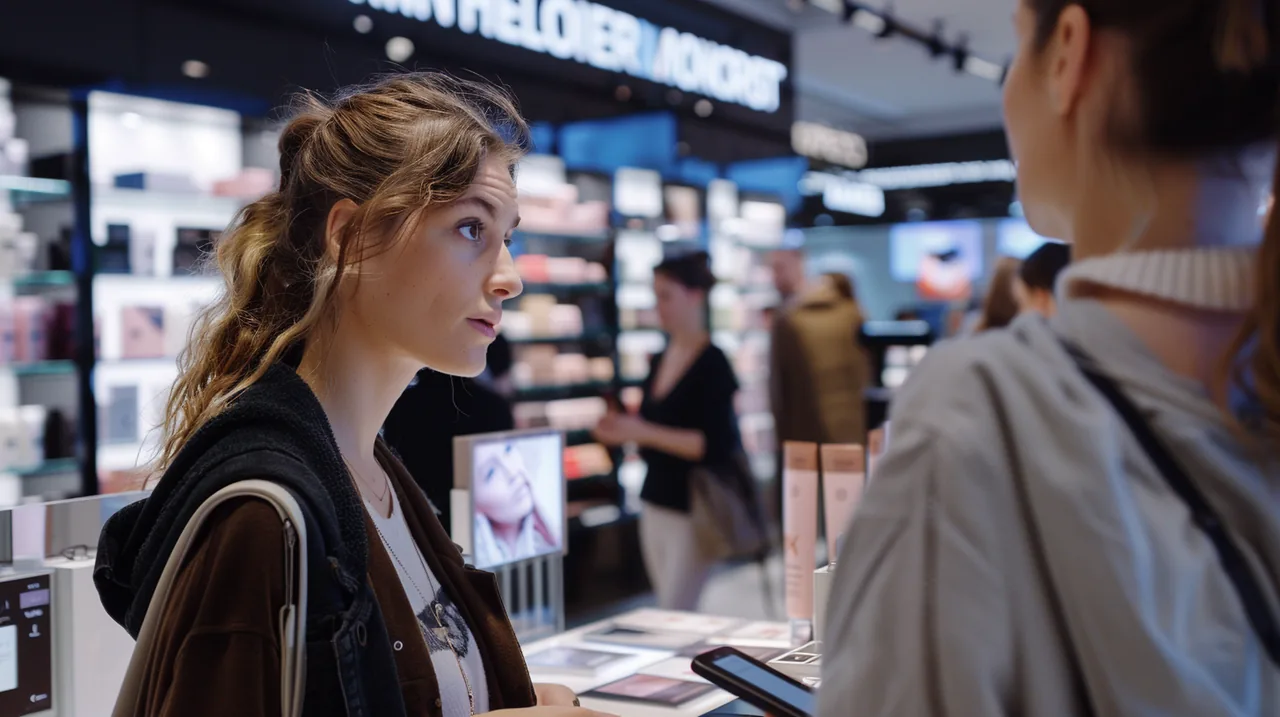
Emotional Connection with Customers
Concept stores are designed to create a deep emotional connection with customers through sensory design that appeals to both senses and emotions. This memorable experience encourages brand loyalty and increases the likelihood of repeat purchases, turning the store into an aspirational destination beyond traditional retail.
Competitive Differentiation
In a saturated market, differentiation is essential. Concept stores offer a unique and authentic value proposition that sets them apart from conventional retail. By creating an experience that is difficult to replicate, they attract more visitors and generate organic impact on social media, while strengthening brand prestige through word of mouth and reinforcing brand identity.
Stronger Customer Loyalty
Customer loyalty is strengthened when consumers feel valued and part of something exclusive. Concept stores personalize the experience with products and services aligned with audience interests, creating a community that encourages active recommendations and long-term relationships with the brand.
Higher Average Order Value
Thanks to a richer shopping experience, concept stores can justify higher prices while naturally encouraging upselling and cross-selling. By offering exclusive products, they attract consumers with greater purchasing power and increase the average value of each transaction.
Implementing a Concept Store
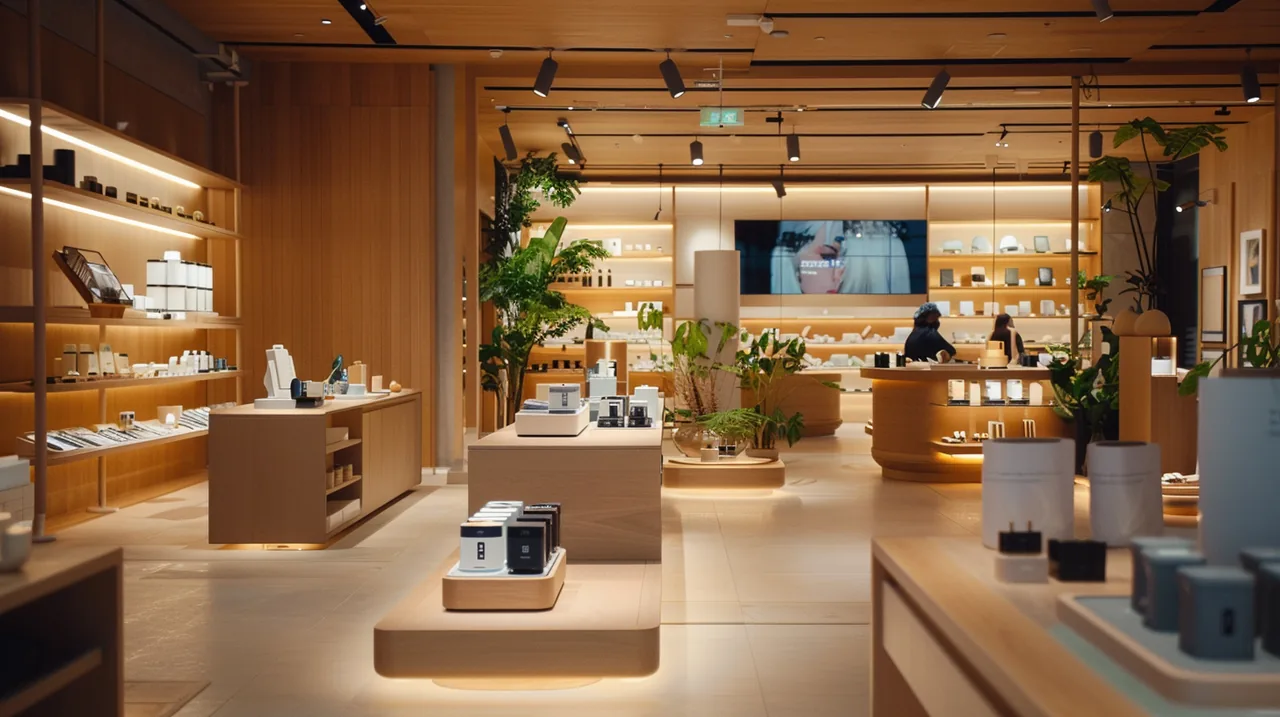
Defining the Concept
The first step is to establish a clear and authentic concept. It should resonate with the brand’s values and with the expectations of an increasingly informed target audience. Market research on global trends is essential to ensure that the concept remains relevant and sustainable over time.
Space Design
The design should be welcoming and inspiring. Elements such as lighting, music, and scent are essential for creating a coherent atmosphere. A well-executed design not only enhances aesthetics but also improves customer navigation, reducing friction and increasing conversion rates.
Product Selection
The product mix should tell a story. It is not only about quality but also about meaning. A curated selection that evolves regularly keeps customer interest high and positions the store as a reference point for innovation and specialized knowledge.
Technology Integration
Technology should enhance the experience rather than distract from it. From smart mirrors to virtual fitting rooms, these digital tools should be seamlessly integrated to provide an omnichannel experience that efficiently connects the physical and digital worlds.
Marketing and Promotion of a Concept Store
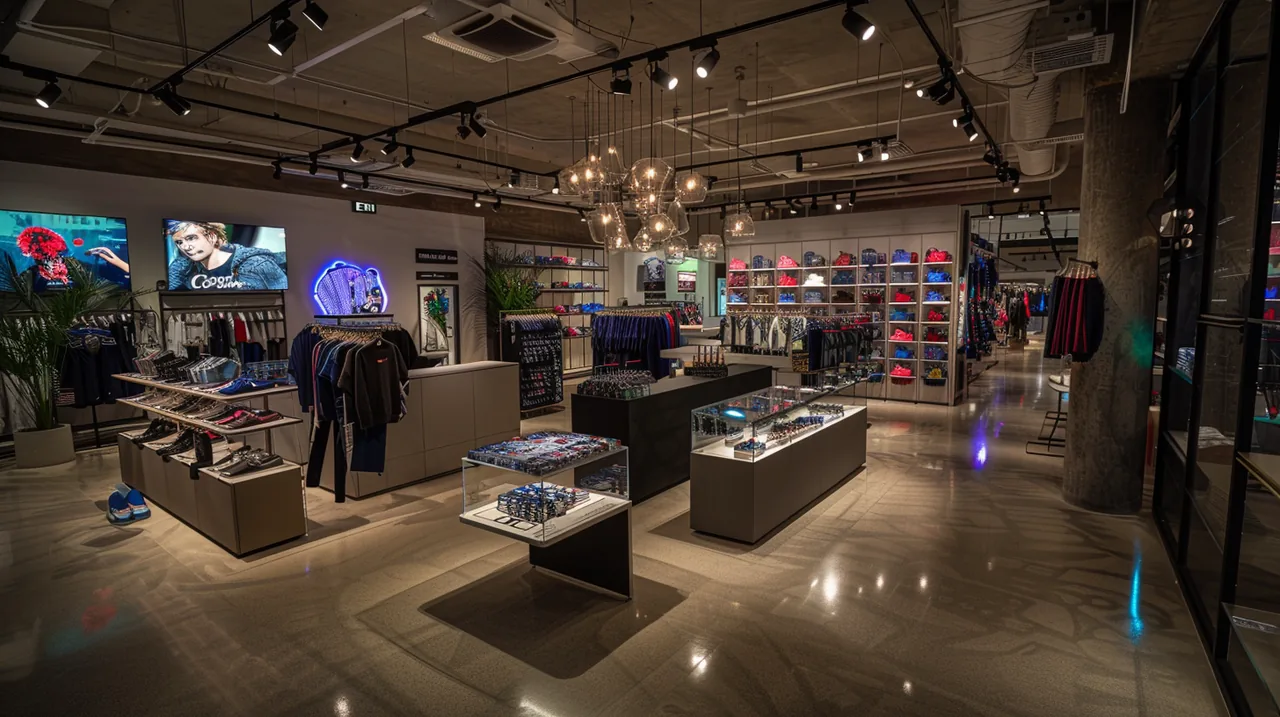
Success depends on a multichannel promotion strategy that leverages the uniqueness of the space:
- Social media presence: Creating high-quality visual content that captures the essence of the store to attract organic traffic.
- Influencer marketing: Collaborating with experts and relevant figures who add credibility and authority to the project.
- Exclusive events and collaborations: Organizing launches with artists or local designers strengthens community ties and positioning.
- Experiential marketing: Using immersive activations and strategic partnerships to expand reach and strengthen loyalty among existing customers.
Conclusion
Concept stores represent the future of retail by providing unique shopping experiences that emotionally connect with customers and differentiate brands. By focusing on immersive environments and technological integration, these stores elevate brand value and ensure sustainable success in the new era of commerce.